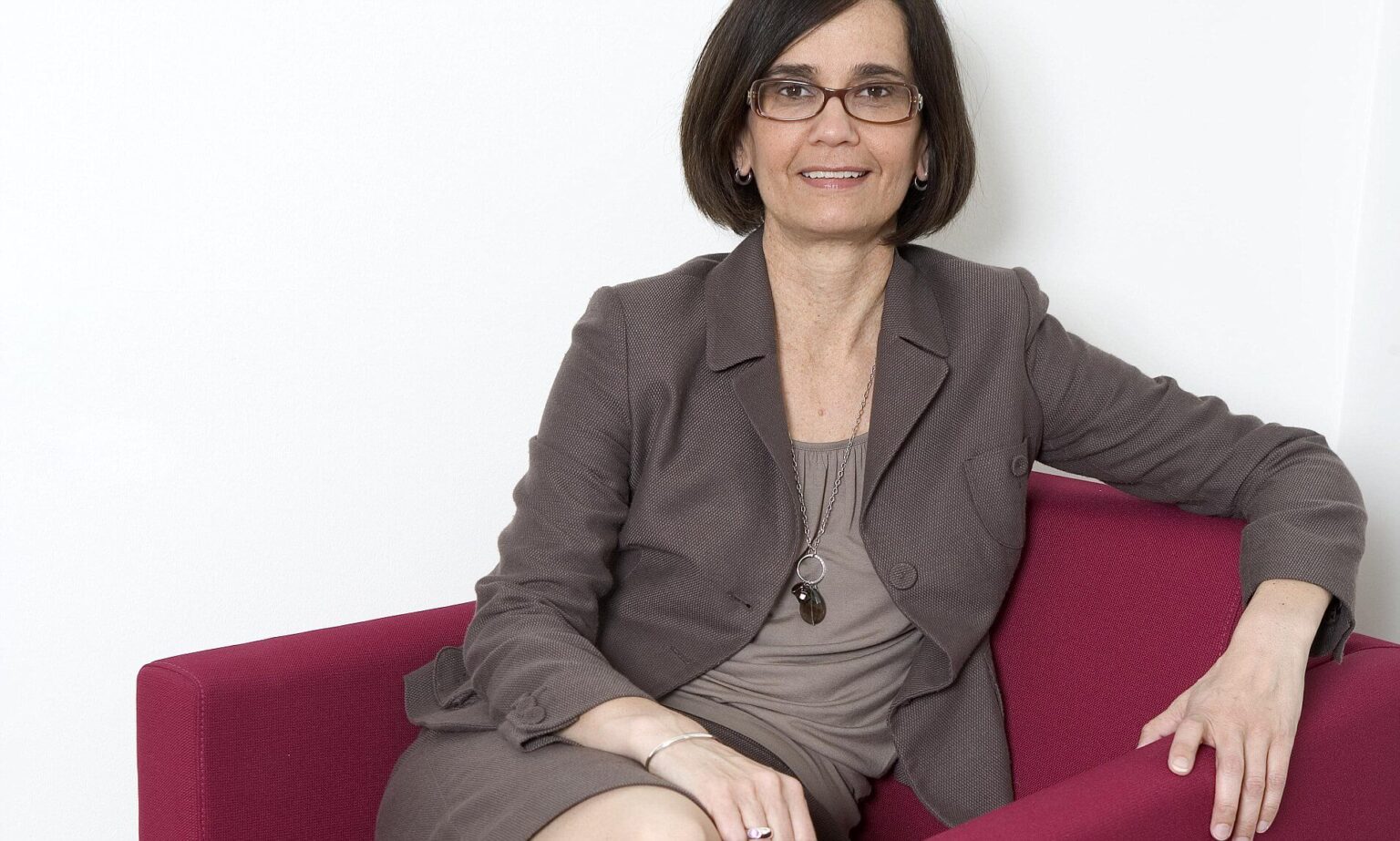
The Department for Work and Pensions has officially announced that Joanne Segars OBE will become the new Chair of the Pension Protection Fund (PPF) from 1 July 2026, taking over from Kate Jones after five years in the role.
For most savers, the Pension Protection Fund operates quietly in the background — a bit like the safety net under a tightrope walker. You hope it never needs to step in, but you are very glad it exists. And with the UK pensions industry navigating huge reforms, rising longevity, and shifting economic pressures, the person leading that safety net matters a great deal.
So, who exactly is Joanne Segars, and what could her appointment mean for the future of the PPF?
What Does the PPF Actually Do?
The Pension Protection Fund was established under the Pensions Act 2004 to protect members of defined benefit pension schemes when employers collapse and pension schemes cannot meet their promises. Today, it protects nearly 9 million members across more than 4,800 schemes and manages around £31 billion in assets.
In simple terms, the PPF is the pension world’s emergency lifeboat. If a company sponsoring a defined benefit pension scheme goes bust, the PPF steps in to pay compensation to eligible members. That role has become increasingly important as many traditional defined benefit schemes continue to mature and employers face long-term financial pressures.
Joanne Segars Arrives With Nearly Four Decades of Pension Experience
The DWP described Segars as bringing “a wealth of experience and expertise” to the position. That is not government exaggeration.
Segars has spent close to 40 years working across pensions, retirement policy, financial services, governance, and regulation. She is currently Chair of Trustees at NOW: Pensions and also chairs the Independent Governance Committee at Legal & General. She previously chaired LGPS Central, one of the largest local government pension investment pools in the UK.
Her executive career is equally significant. Many in the pensions sector will remember her best as the former Chief Executive of the Pensions and Lifetime Savings Association (PLSA), formerly known as the National Association of Pension Funds. During that time, she became one of the most recognisable and influential voices in UK retirement policy.
She has also held senior roles at the Association of British Insurers, the Pensions Policy Institute, and the Trades Union Congress.
In pensions circles, that combination is unusually powerful. Segars has experience from the industry side, policy side, governance side, and member advocacy side — meaning she understands not only how pension systems are built, but also how they affect ordinary savers.
Why This Appointment Comes at a Crucial Moment
The timing is not accidental. The PPF is entering a new phase. After years focused heavily on insolvency risk and funding stability, the organisation is now operating from a position of relative financial strength. In fact, the PPF recently confirmed a zero conventional levy for eligible schemes in 2026/27, reflecting stronger funding across many defined benefit pension schemes.
At the same time, the wider pensions landscape is changing rapidly.
The UK is moving through what Pensions Minister Torsten Bell described as “the biggest pension reform in a generation.” Pension dashboards are approaching rollout deadlines, consolidation is reshaping the industry, and policymakers are increasingly focused on how pension assets can support economic growth while still protecting savers.
This means the next PPF chair will need more than governance skills. They will need political awareness, strategic calm, and the ability to balance member protection with industry transformation.
That happens to be exactly the kind of work Segars has spent much of her career doing.
What Her Past Performance Suggests About the Future
If Segars’ previous roles offer any clues, her leadership style is likely to focus on three areas: stability, collaboration, and modernisation.
During her years at the PLSA, she built a reputation as a pragmatic consensus-builder. Rather than approaching pension reform as a political battleground, she often positioned herself as a bridge between government, regulators, providers, and employers.
That approach could be particularly valuable at the PPF, which sits in a uniquely sensitive position between public policy and private sector pensions.
Her background also suggests she understands the operational realities facing pension schemes today. Leading trustee boards and governance committees means dealing directly with investment strategy, member outcomes, regulation, and long-term risk management — not simply commenting from the sidelines.
There is also a strong chance her appointment signals continued emphasis on resilience and governance standards. In her statement following the appointment, Segars said she wanted to “strengthen long-term resilience” while helping shape the future pensions landscape.
That wording matters.
The PPF is no longer just reacting to crisis. Increasingly, it is becoming a strategic institution within the UK pension system itself.
What This Means for Pension Savers
For ordinary pension savers, this announcement will not immediately change pension payments or scheme rules. But leadership at the PPF still matters because confidence matters.
Defined benefit pension members need to trust that the safety net behind their retirement income is being managed carefully, especially during periods of economic uncertainty.
Segars’ appointment is likely to reassure much of the industry because she is widely viewed as experienced, technically knowledgeable, and deeply familiar with the complexities of UK pensions policy.
In many ways, the DWP appears to have chosen continuity over disruption — but with enough policy experience to help the PPF adapt to the next generation of pension reforms.
And in the pensions world, where steady hands are often more valuable than flashy headlines, that may prove to be exactly the right choice.