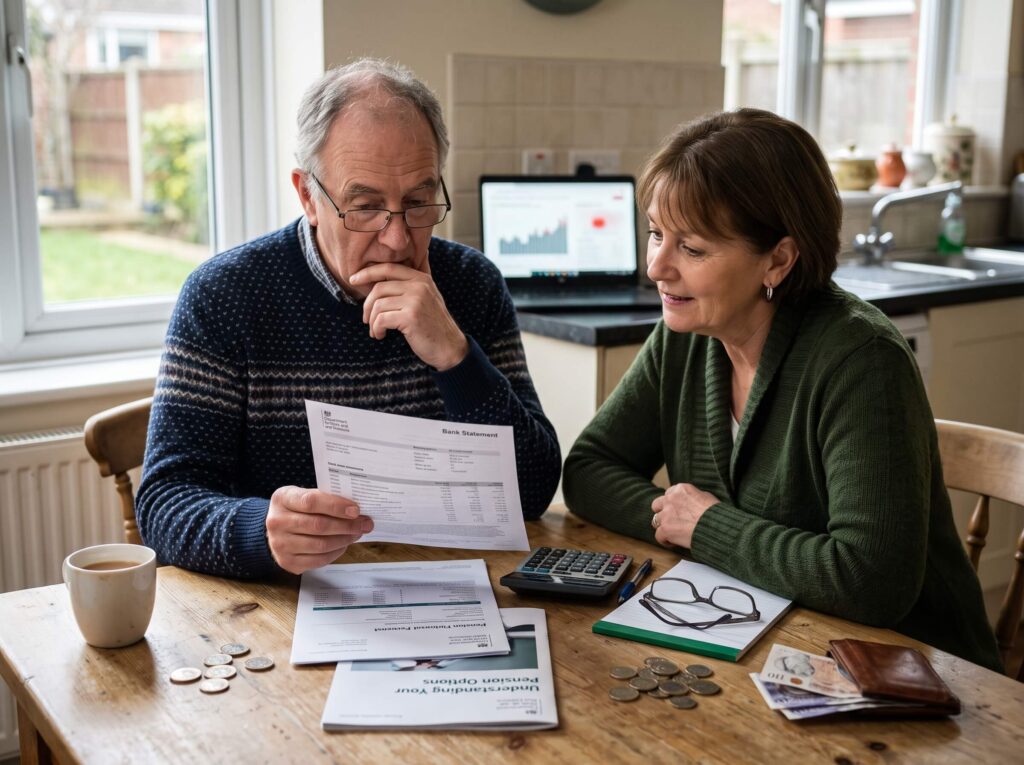

If you’ve reached your 40s and feel like your pension isn’t quite where it should be, you’re far from alone—and more importantly, you’re not out of time. In fact, your 40s can be one of the most powerful decades to turn things around.
You’re likely earning more than you did in your 20s or 30s, you may have fewer financial unknowns, and retirement is close enough to feel real—but still far enough away to make meaningful progress. According to research from Fidelity International and industry guidance, even starting in your 40s gives you enough time to build a solid pension pot if you take focused, consistent action.
This guide will walk you through exactly how to catch up—step by step—in a clear, practical, and encouraging way. Whether you’re starting from scratch or just want to boost what you already have, this is your roadmap to getting back on track.
Why Your 40s Are Not “Too Late”
Reaching your 40s without a “perfect” pension plan might feel worrying—but the reality is, you’re still in a strong position to turn things around. In the UK, guidance from financial experts shows that even starting at 40 gives you enough time and earning power to build a meaningful retirement pot, especially if you focus on consistent contributions and smart use of tax benefits.
Your 40s are often when income is higher and priorities are clearer, making it the ideal time to get serious. It’s not about what you didn’t do before—it’s about making the most of what you can do now.
The fact is many people only start taking retirement seriously at this stage. Life before this can be busy—buying a home, raising children, building a career or business—and pensions often take a back seat.
But here’s the good news:
- You likely have higher earning potential now
- You still have 20–25 years until retirement
- You can make bigger contributions than before
Research shows that even starting at 40 still gives you enough time to build a meaningful retirement fund—especially if you prioritise saving from this point onward. The key shift now is focus, at this stage you are moving from “I’ll think about it later” to “let’s build this properly.”
Take Stock of Where You Are
The first step is getting a clear picture of your current situation. This means checking all your pension pots, including any from previous jobs, and seeing how much you’ve built so far. Many people are surprised to find they’ve saved more than they thought—or forgotten pensions they can bring back into focus. This gives you a solid starting point and helps you understand what you’re working with.
This means gathering everything in one place:
- Existing pension pots
- Workplace pensions (current and old jobs)
- Personal pensions or SIPPs
- Savings and investments
Many people in their 40s have multiple pension pots from different jobs. According to Fidelity International, this is a great time to review and organise what you already have.
Ask yourself:
- How much do I already have saved?
- What income might this provide later?
- Are there any pensions I’ve lost track of?
This step alone can be eye-opening—and motivating.
Work Out What You’ll Need
Next, think about the kind of lifestyle you want in retirement. Do you want just the basics covered, or something more comfortable with room for travel and hobbies? Once you have a rough idea, you can compare it to what your current savings might provide and identify any gap. This doesn’t need to be exact—it’s about giving yourself a clear direction.
Think about:
- Your desired lifestyle in retirement
- Monthly expenses
- Travel, hobbies, or helping family
A simple way to think about it:
- Basic lifestyle = essentials only
- Moderate lifestyle = some comfort and flexibility
- Comfortable lifestyle = more freedom and extras
Once you have a rough number in mind, you can, compare it to what your current savings might deliver. This gap is your “catch-up target.”
Increase Contributions (This Is the Big One)
If you’re catching up, increasing your contributions is the most powerful step you can take. Even small increases can make a noticeable difference over time, especially when combined with tax relief and investment growth. Research shows that boosting contributions later in life can significantly improve your retirement outcome.
Why it matters
If you started later, you’ve missed years of growth—so the way to compensate is to contribute more now.
Experts often suggest aiming for:
- 10%–20% of your income (or more if possible)
This may sound like a lot—but remember:
- You’re likely earning more in your 40s
- Big contributions now can make a huge difference later
Make It Manageable
You don’t need to go from zero to perfect overnight. A more realistic approach is to start with what you can afford and gradually increase it—perhaps whenever your income rises. This makes the process feel achievable and helps you stick with it long term.
Try this:
- Start at a comfortable level
- Increase gradually each year
- Boost contributions when income rises
Small increases over time can be powerful.
Take Full Advantage of Tax Relief
One of the biggest perks of pensions in the UK is tax relief. The government effectively tops up your contributions, meaning your savings grow faster than what you put in yourself. Most people get at least a 20% boost, and higher-rate taxpayers can claim even more. It’s one of the easiest ways to accelerate your pension in your 40s.
Here’s how it works:
- Basic-rate taxpayers get a 20% boost
- Higher-rate taxpayers can claim even more
Example:
- You contribute £800
- It becomes £1,000 in your pension
This means every contribution works harder.
And here’s the catch-up secret:
The more you contribute, the more tax relief you receive
Make the Most of Workplace Contributions
If you’re employed, your workplace pension is a huge advantage. Employers are required to contribute alongside you, which is essentially extra money added to your savings. Auto-enrolment rules mean both you and your employer pay in, so increasing your contributions can boost this benefit even further.
Through auto-enrolment:
- Your employer contributes to your pension
- This is essentially free money
In your 40s, it’s worth:
- Increasing your contributions beyond the minimum
- Checking if your employer matches higher contributions
Not taking full advantage of this is like leaving money on the table.
Consider Consolidating Old Pensions
If you’ve changed jobs a few times, you might have multiple pension pots. Bringing them together can make things easier to manage and help you keep track of your progress. It can also reduce fees in some cases, though it’s always worth checking for any benefits you might lose before combining them.
Bringing them together can:
- Make things easier to manage
- Reduce fees
- Give you a clearer view of your progress
However, Always check for any valuable benefits before transferring.
Review Your Investment Strategy
In your 40s, your pension still needs to grow—but you also want to avoid unnecessary risks. A balanced investment approach is often a good middle ground, helping your money grow steadily while keeping things relatively stable. The goal is progress, not gambling on big wins.
You’re in a growth phase—but with a time limit.
What this means
- You still want growth (to build your pot)
- But you also need to start thinking about stability later
Most people choose:
- Balanced or growth-focused funds
- Diversified investments
The goal is steady growth—not unnecessary risk.
Boost Savings with Lump Sums
If you receive extra income—like a bonus, inheritance, or strong business profits—adding a lump sum to your pension can give it a powerful boost. Because of tax relief, these one-off contributions can be especially effective in helping you catch up faster.
Examples include:
- Bonuses
- Business profits
- Inheritance
- Property sales
Putting part of these into your pension can, can give your savings a significant boost quickly.
Delay Retirement (If Needed)
This isn’t always the most exciting option—but it’s powerful. If you’re worried about your pension, even delaying retirement by a few years can make a big difference. It gives you more time to contribute and reduces the number of years your savings need to support you. A small delay can have a surprisingly positive impact.
Even delaying retirement by a few years can:
- Give you more time to save
- Reduce the number of years your pension needs to last
A small delay can make a big difference.
Don’t Rely on the State Pension Alone
It’s important to remember that the State Pension is only designed to cover basic living costs. It’s a helpful foundation, but not enough for most people to live comfortably on its own. That’s why building your own pension alongside it is so important—it gives you more freedom, choice, and peace of mind later in life.
It’s designed to cover essentials, not a full lifestyle. Think of it as your foundation—not your full plan.
Avoid Common Catch-Up Mistakes
Avoiding common catch-up mistakes in your 40s is just as important as taking action in the first place. When you’re trying to build or boost your pension, it’s easy to rush decisions or overlook key details—but small missteps can have long-term effects on your retirement.
Industry experts highlights that the best approach is to stay balanced: take action, but do it thoughtfully. This is because success comes from being consistent, aware, and willing to review your plan—not from trying to be perfect or rushing to “catch up” overnight.
1. Doing Nothing
The biggest mistake is simply not starting. Many people delay pension planning because it feels overwhelming, but this means missing out on years of growth and tax benefits. Even small contributions now are far better than waiting, as pensions rely heavily on time to grow. Experts consistently point out that inaction can be more damaging than making small, imperfect steps forward.
2. Taking Too Much Risk
When trying to catch up, it can be tempting to go all-in on high-risk investments in the hope of boosting your pension quickly. But this can backfire—markets can go down as well as up, and putting too much into risky options could reduce your savings instead of growing them. Its worth remembering that if something promises high returns with low risk, it’s usually too good to be true.
Trying to “catch up quickly” with risky investments can backfire.
3. Ignoring Fees
Pension fees might seem small, but over time they can quietly eat into your savings. Many people don’t realise how much they’re paying, which can reduce the overall value of their pension by the time they retire. Industry insights show that failing to check fees or compare providers can leave savers worse off in the long run, especially as your pension pot grows.
4. Not Reviewing Your Plan
A pension isn’t something you set once and forget forever—your life, income, and goals will change, and your plan should keep up. Regular reviews help you stay on track, adjust contributions, and make sure your investments still suit your situation. Experts highlight that not checking in on your pension is a common regret, as it can lead to missed opportunities to improve your retirement outcome.
Your situation will change—your plan should too.
Real-Life Insight: You’re Not Alone
Research highlights a clear pattern:
- Only around 20% of self-employed people contribute to pensions
- Many people don’t start saving seriously until later in life
- Confidence in retirement planning is often low
The takeaway?
You’re not behind—you’re just starting at a common point.
A Simple Catch-Up Plan (Putting It All Together)
Here’s a clear, practical strategy:
- Review your current pensions
- Set a realistic retirement goal
- Increase contributions steadily
- Take full advantage of tax relief
- Use workplace contributions
- Invest for growth (but sensibly)
- Add lump sums when possible
- Review annually
Keep it simple and stay consistent.
Final Thoughts
Catching up on retirement savings in your 40s might feel daunting at first—but it’s far more achievable than most people think. You still have time, earning power, and access to some of the most generous tax benefits available. The key is to act now, stay consistent, and focus on steady progress rather than perfection.
Think of your 40s as your “power decade” for retirement planning. With the right steps—boosting contributions, making smart use of tax relief, and keeping your investments on track—you can build a pension that supports the lifestyle you want later on. It’s not about what you didn’t do before—it’s about what you do next.